Screwworm Is Eating Texas Alive — And Your Grocery Bill Is Next
26 screwworm cases across Texas. The herd was already the smallest since 1951.

The Vampire Fly Came Back. I Drove Straight Into the Quarantine Zone.
🗺️ Current Dispatch: US-83 South, between Uvalde and La Pryor, Texas
⛽ Local Diesel: $3.89/gal
☕ Diner Coffee Index: $3.75 — burnt, reheated, served in a Styrofoam cup by a woman who looked like she hadn't slept since January. Honest coffee. 6/10.
⏳ Days in trip: 9
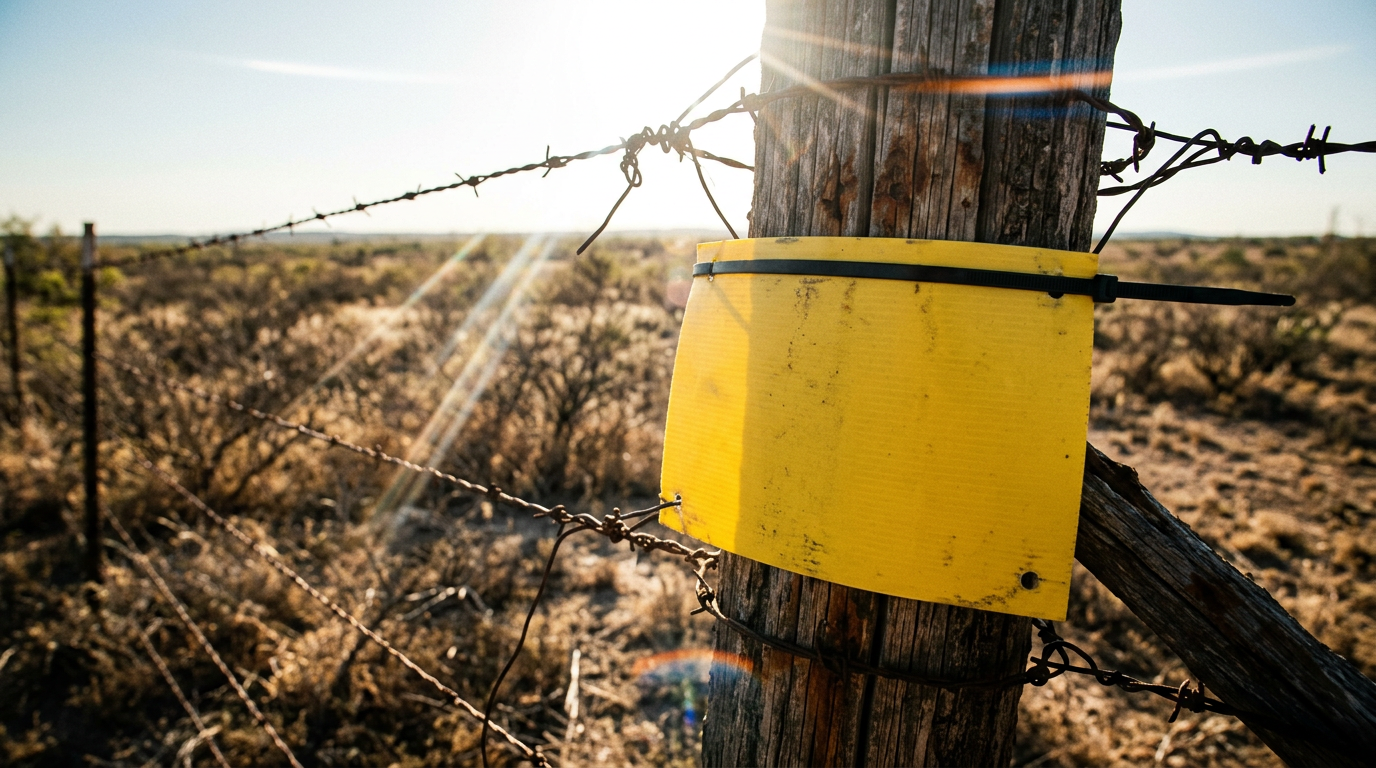
I'm parked on a gravel pullout south of Uvalde. Engine ticking in the heat. I'm staring at a yellow quarantine sign zip-tied to a fence post. The sign is new. The wire is not. Behind it, a thousand acres of brush shimmer in 104-degree air. And out there, a fly that the U.S. wiped out in 1966 is burrowing into living flesh.
Welcome back to Texas. The vampire fly is home.
The Driver's Scene: Silence at the Auction Yard
I pulled into Uvalde yesterday looking for a truck stop breakfast. I found something else — a livestock auction with a half-empty lot on what should have been a peak sale day.
I asked the guy at the café counter what happened. He didn't look up from his register.
"Quarantine happened."
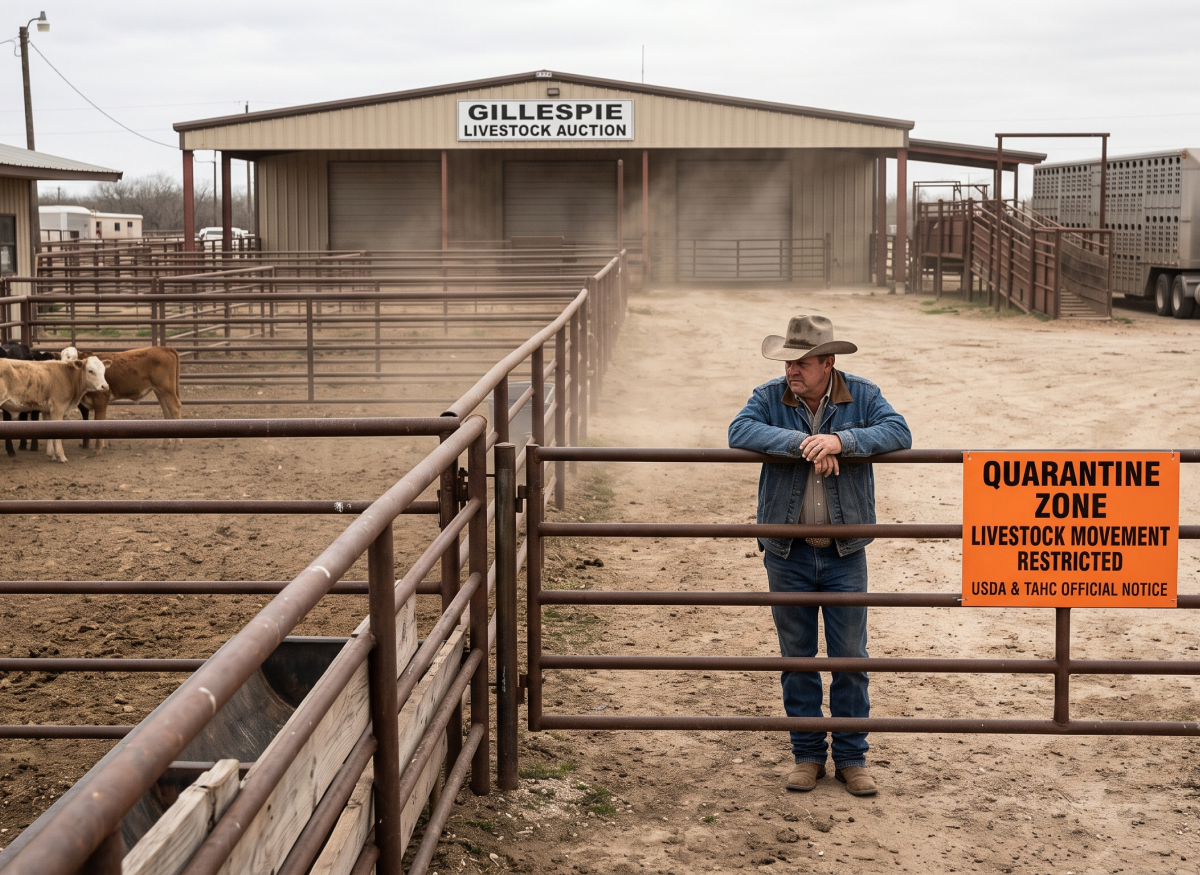
Here's the math that nobody on TV is reading to you. As of June 28, the USDA has confirmed 27 New World screwworm cases in the U.S. — 26 in Texas, one dog traced to Lea County, New Mexico. The Texas Animal Health Commission locked down 21 counties across West, Central, and Deep South Texas. No warm-blooded animal moves out of those zones without a state check, a treatment cert, and a three-day movement pass. Hides, carcasses, animal parts — all frozen until a rep clears them in person.
I drove through three of those counties in two days. Jim Hogg. Starr. Zapata. Infested Zone 10, declared June 26 after a cow tested positive in Jim Hogg County. The quarantine signs are fresh. The ranchers' faces are not.
It started June 3. A single three-week-old calf in Zavala County — the first domestic case in nearly 60 years. Now it's a rolling crisis under Governor Abbott's statewide disaster order, first issued January 29, updated June 5. The State Emergency Ops Center is active. A military commander runs logistics.
And here's the part that should make Bob and Carol sit up straight: this nightmare just slammed into a U.S. cattle herd that was already the smallest since 1951.
The herd stands at roughly 86.2 million head. Ground beef runs close to $7 a pound — a record — up more than 70% since 2020. The USDA expects retail beef to climb another 10% to 18% in 2026. That forecast was built before the quarantine map blew up across 21 counties in the heart of cattle country.
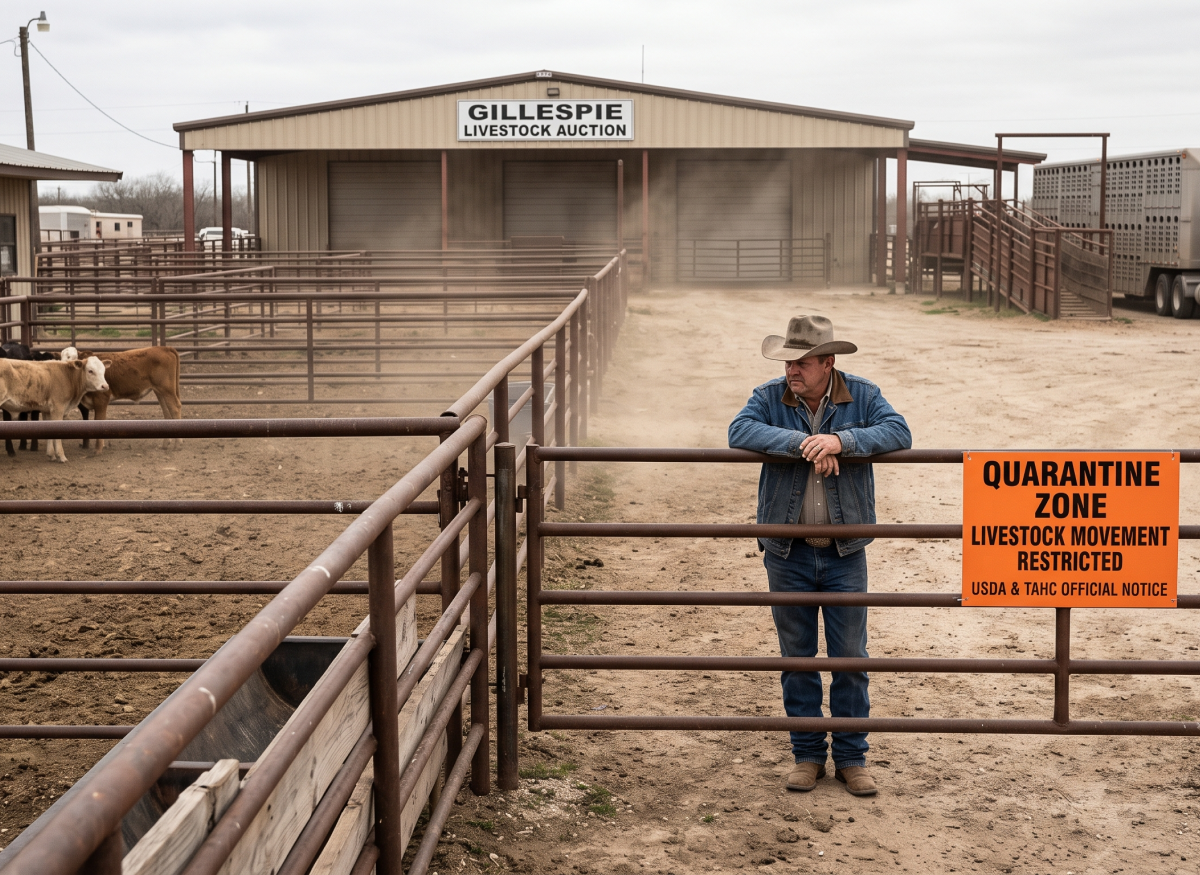
At the Gillespie Livestock auction in Fredericksburg, buyers got skittish about sheep and goats from counties near hot zones. Feeder lamb values dropped 30% to 35% in one week after the first Texas cases hit. That's not a dip. That's a trapdoor.
The pain cuts both ways. Ranchers spend more on labor, wound checks, treatments, and paperwork — even when no bugs are found. The Mexican border closure that came before the outbreak already choked off feeder cattle supply. Custom feedlot guys who sourced from south of the line got hammered. One operator near Crockett County told me his options got cut in half. "We're working more cattle just to fill the gap," he said, staring at a pen of thin yearlings.
The USDA has thrown $1.3 billionat the fight. Ag Secretary Brooke Rollins sent tens of millions of sterile flies from the Knipling-Bushland Lab. Planes carpet-bomb the border and hot zones with roughly 500 million sterile male flies per week. The idea: sterile males mate with wild females, no offspring result, and the bug spirals toward a dead end.
But here's the catch Congress is flagging: experts say you need at least 700 million sterile flies per week to crush a bad outbreak. The Panama lab — the backbone for decades — can only make 100 million per week. It needed upgrades for years. A brand-new 22,000-square-foot plant just opened in Metapa, Mexico, adding 100 million flies once it's fully online. And the Army Corps broke ground on a domestic fly plant in Texas — price tag: $750 million — but output won't start until next year.
We're fighting a 2026 bug with a 2027 factory.
The Macro Extraction & Laptop Execution: What This Means for Your Capital
Let me strip the emotion out for sixty seconds. Here's the cold read.
The screwworm crisis is not just a livestock story. It is a structural supply shock stacked on top of a historic cattle deficit. The threat: $1.8 billion to Texas alone. If it spreads, a $10.6 billion hit to national ag markets.
Beef is one of the most visible prices in the U.S. economy. When ground chuck crosses $7 and keeps climbing, it doesn't just show up in CPI. It shows up at the voting booth. At the diner. In the way Carol looks at the grocery receipt and grabs chicken instead.
That swap is where the real intel lives.
The Laptop Execution — Wi-Fi Swing Portfolio Notes:
Skip the packer value trap. Tyson (TSN), JBS, and peers look cheap on paper. They're not. Packers don't recover on rising beef prices — they recover when cattle supply loosens and the margin spread reopens. That's a 2027-2028 story based on heifer data that hasn't turned yet. Cheap packer stocks can stay cheap a long time. I'm not touching them.
Watch the swap winners. As beef blows past price ceilings, demand shifts hard to poultry and pork. Tyson's chicken wing is booming even as its beef side bleeds. But I like pure-play poultry names and store-brand grocers set to grab the protein shift. Pilgrim's Pride (PPC) and Sanderson Farms (now under Cargill/Continental Grain) are worth watching on dips.
Physical gold stays the asset shield. Grocery inflation has a sticky floor — you can't conjure a cow overnight, and real herd growth won't show before 2027. Your buying power is under attack from a place the Fed can't fix with rate cuts. The floor under food-CPI is biological, not monetary. Gold doesn't care about flies. It cares about the slow drain on dollar value that events like this speed up.
The single most important data point: USDA heifer-retention numbers. When ranchers start holding back female calves to rebuild herds — instead of selling them — that's your signal the supply cycle is turning. Until that data shows up, every "beef prices to fall" headline is early. We are not there yet.
The Roadside Detour: The Fly That Changed History
Here's a story they don't teach at business school.
The man who figured out how to kill the screwworm without touching it was Edward F. Knipling — born in Port Lavaca, Texas, 1909. He grew up on a ranch. He watched cattle die slow, ugly deaths from fly larvae eating them alive. Knipling spent decades building the sterile insect method. By 1966, the screwworm was gone from U.S. soil. The USDA says that one program saved the cattle industry $2.3 billion a year — guarding a $113 billion sector for pennies on the dollar.
The lab running this month's emergency fly drops? Named after him. The Knipling-Bushland Research Laboratory, right here in Texas.
Sixty years of safety. A program that cost almost nothing next to what we're spending now. And it fell apart because funding got cut, the Panama plant aged out, vet talent drained away, and crime groups in Central America moved cattle without health checks while warming temps pushed the fly's range north.
No single thing brought the vampire fly back. The risks piled up quietly — the way they always do.
I'm sitting on US-83 watching a TAHC inspector wave a flashlight under a cattle trailer at dusk. The rancher's boots are caked in caliche mud. The clipboard is full.
Next time someone tells you inflation is beaten, ask them what they paid for ground beef.
I'll be in Crockett County by Thursday.
— Brook
The Bare Economy. From the road. For the road.